Decoding nutrient sensing [Nature]
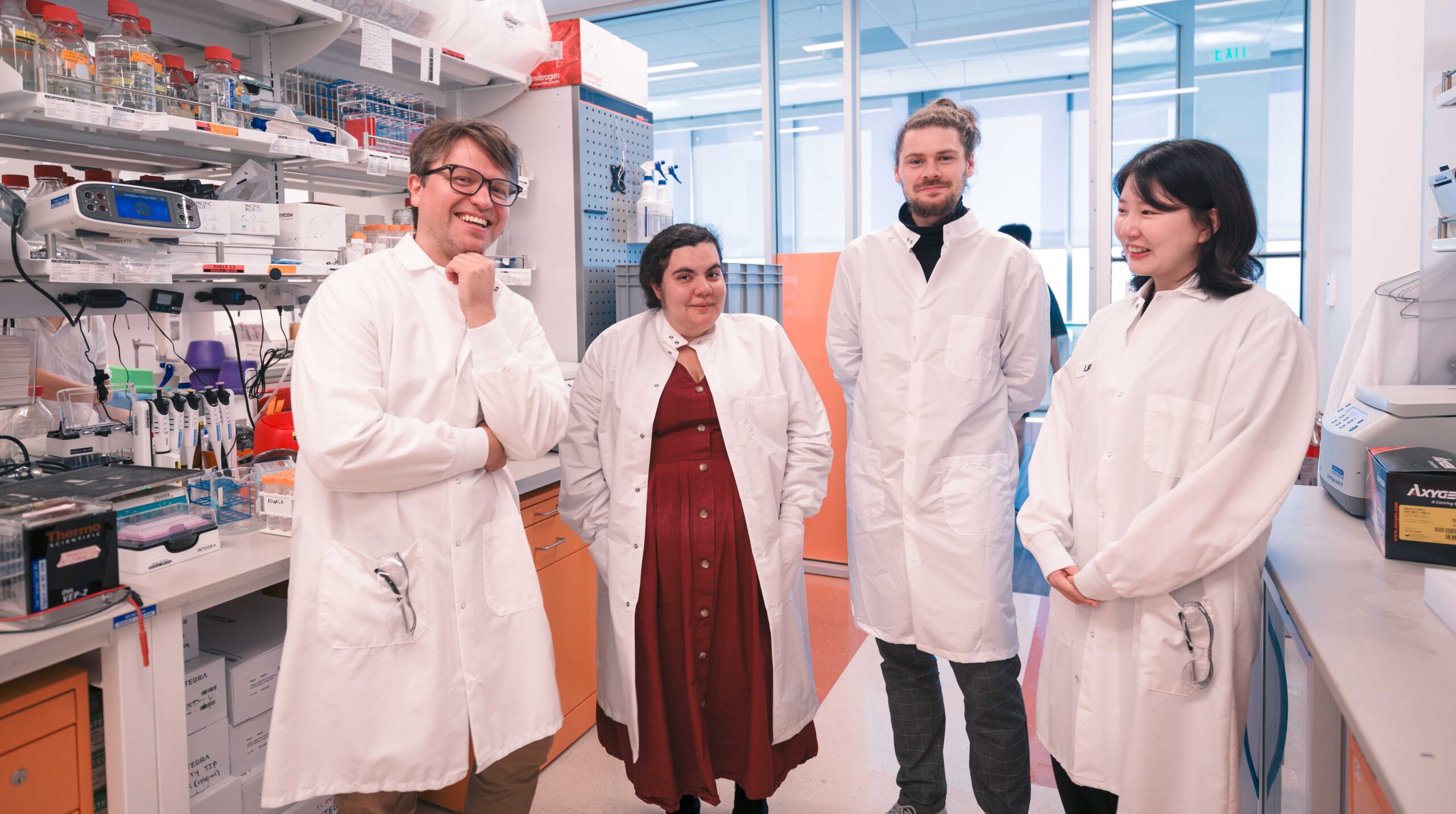
blue & bold — Rogala Lab member
Ψ — equal contribution
@ — corresponding author
We are proud to announce that our recent mTOR manuscript was published today in Nature.
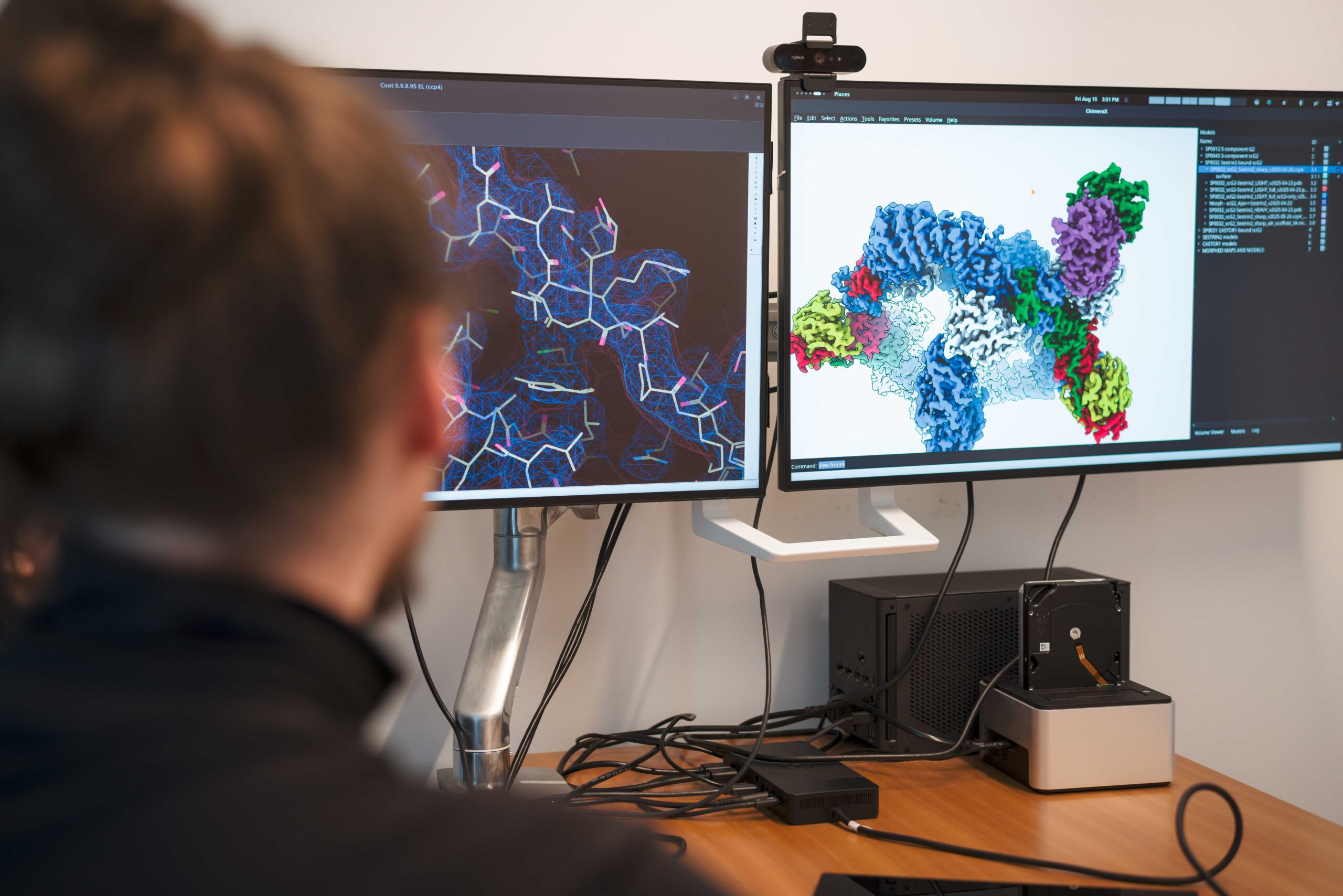
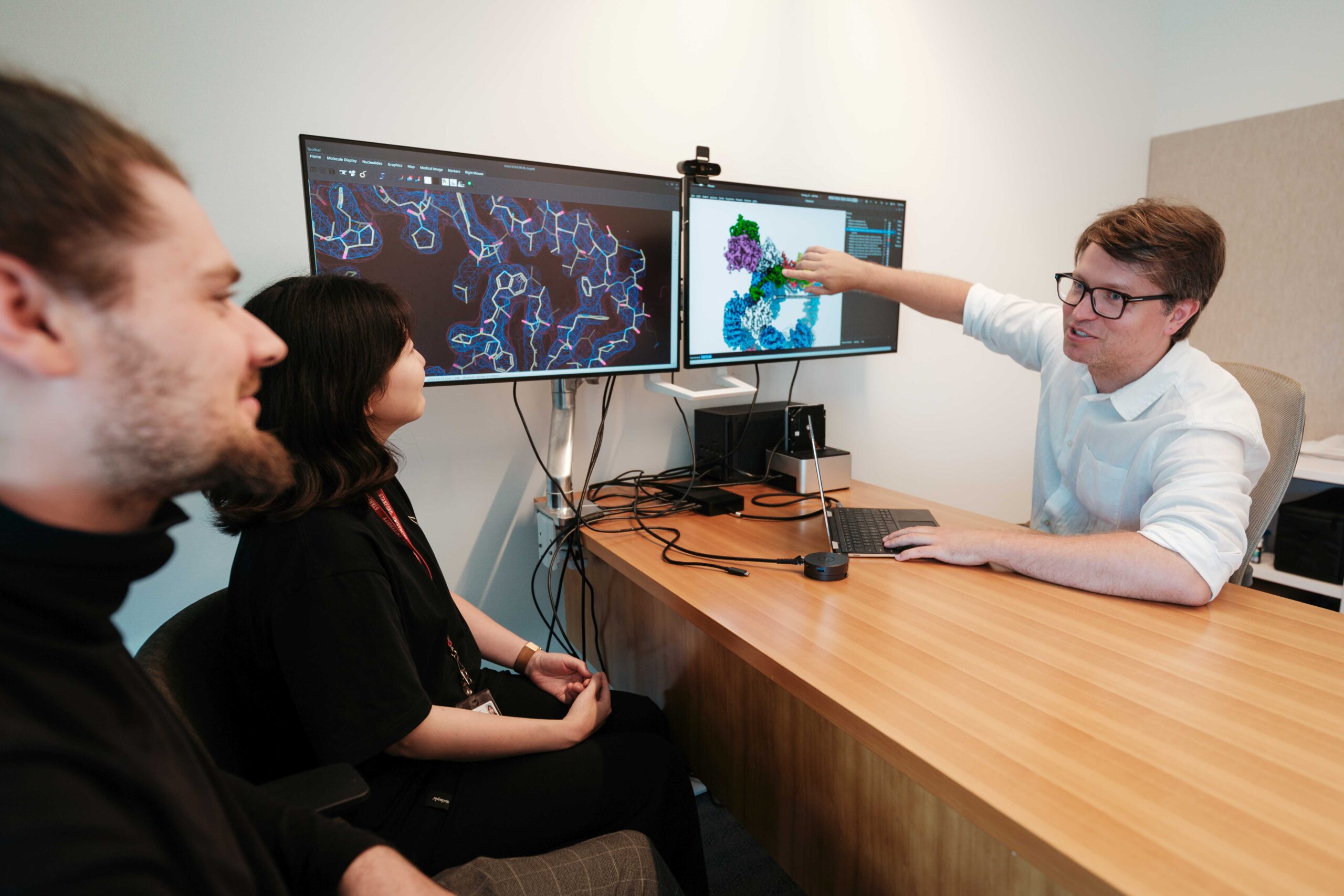
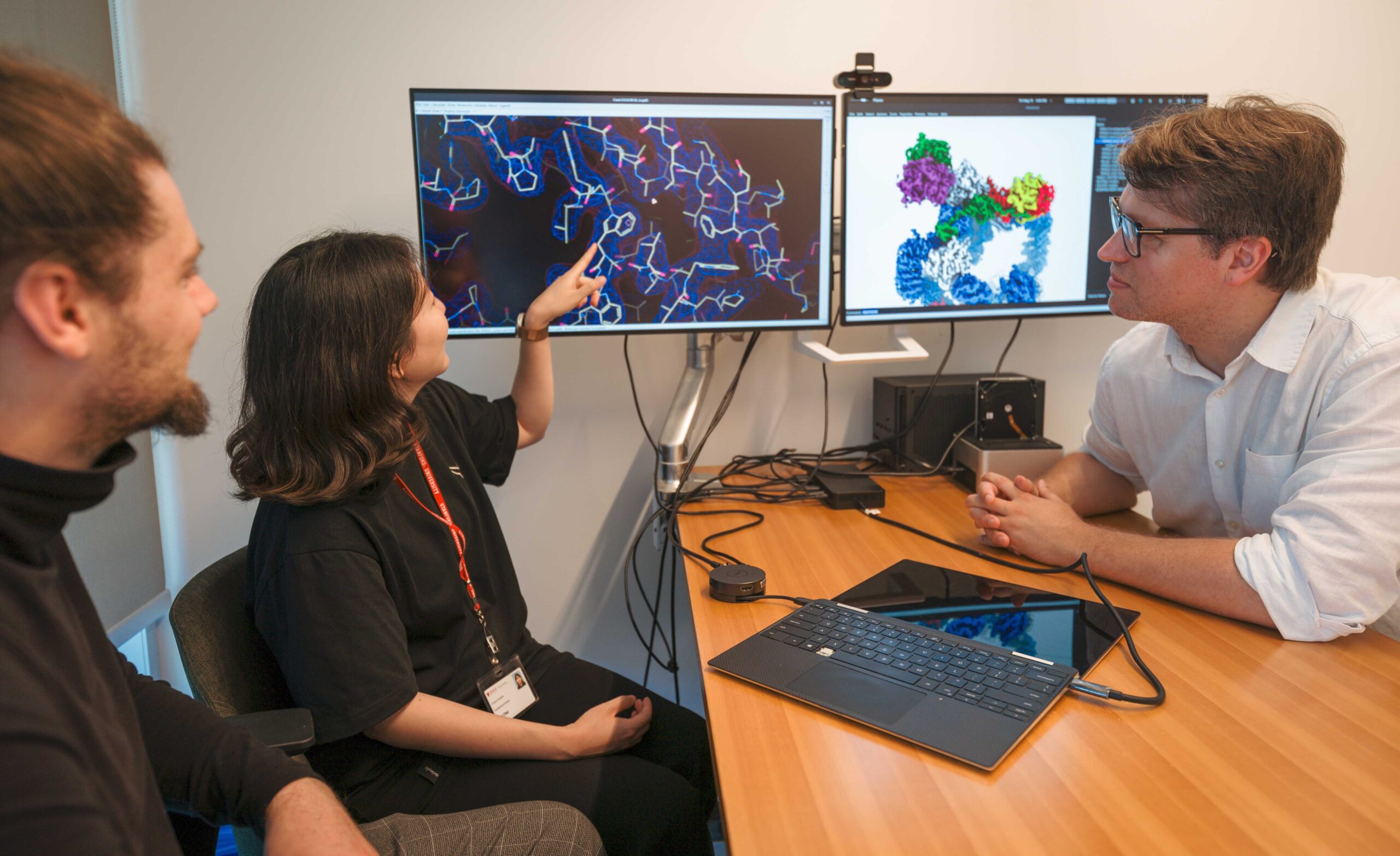
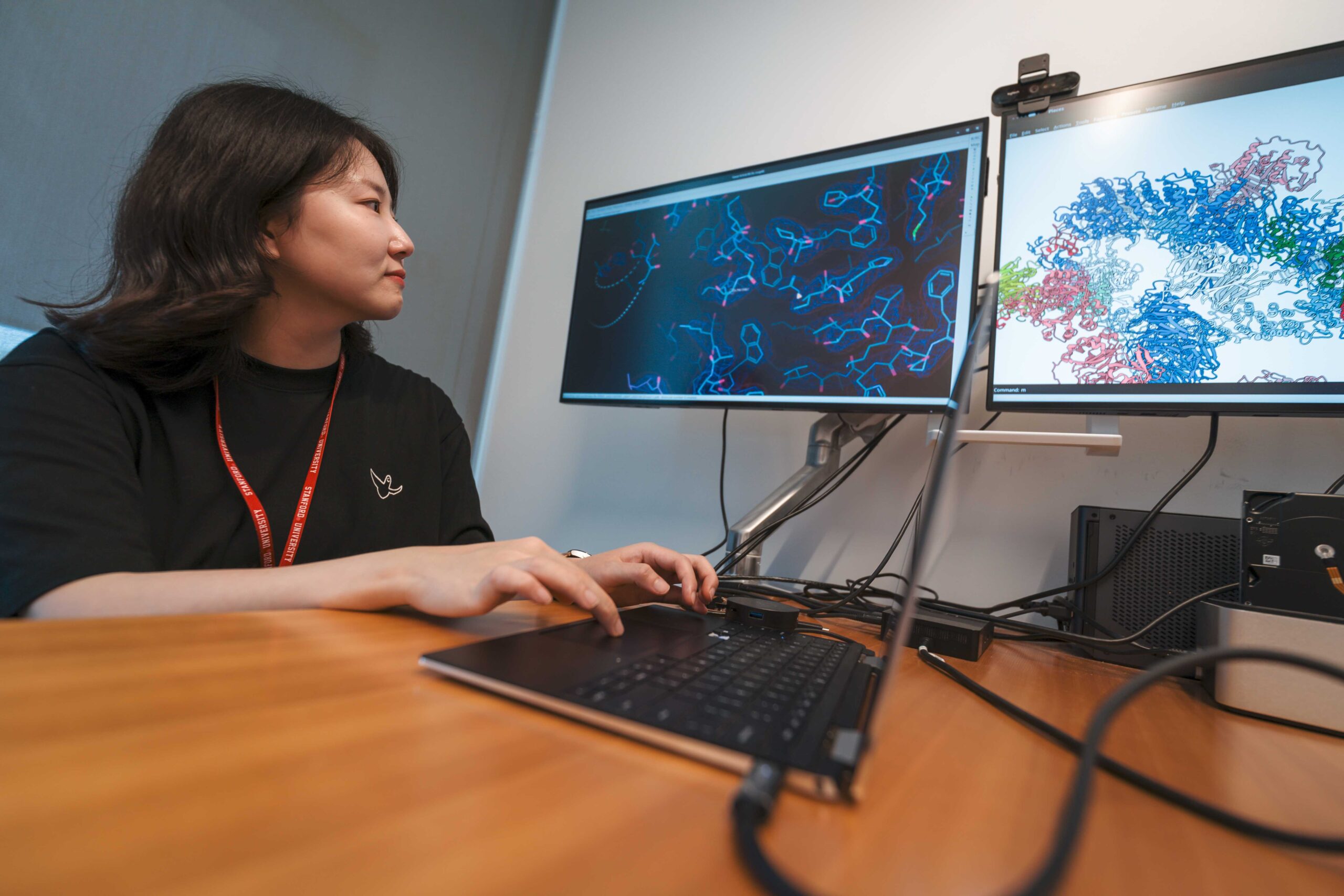
By combining structural biology, cell biology, and computational simulations, we deciphered the underlying molecular mechanisms by which cells sense nutrients and initiate growth.
To set the stage: In the presence of nutrients, the human master regulator of cellular growth—the mTORC1 protein complex—activates a range of downstream pathways that govern cell growth and metabolism. The key information about nutrient availability is detected by the nutrient-sensing hub GATOR2, which in turn regulates mTORC1 activity. Until now, the molecular mechanism behind this nutrient-sensing ability remained unknown.
In collaboration with researchers from MIT and Harvard, we revealed how different nutrient sensors—Sestrin2 (for leucine) and CASTOR1 (for arginine)—bind to the surface of the GATOR2 complex in the absence of nutrients. We show how nutrient binding triggers a cascade that causes these sensor proteins to release from the complex surface, leading to chemical and structural rearrangements that activate mTORC1 and promote cellular growth.
These insights deepen our understanding of a central regulatory mechanism in human physiology and pave the way for novel therapeutic strategies to modulate nutrient sensing — with potential implications for treating cancer and metabolic diseases.

Read the press release from the Stanford Cancer Institute [LINK]
Check out the Nature’s Research Briefing written by Karen Linde-Garelli [LINK]
Access the full manuscript at Nature [LINK]
Written by: Maximilian Wranik, PhD, Postdoctoral Fellow, August 2025
Photos by: Steven Truong, MD-PhD student, August 2025