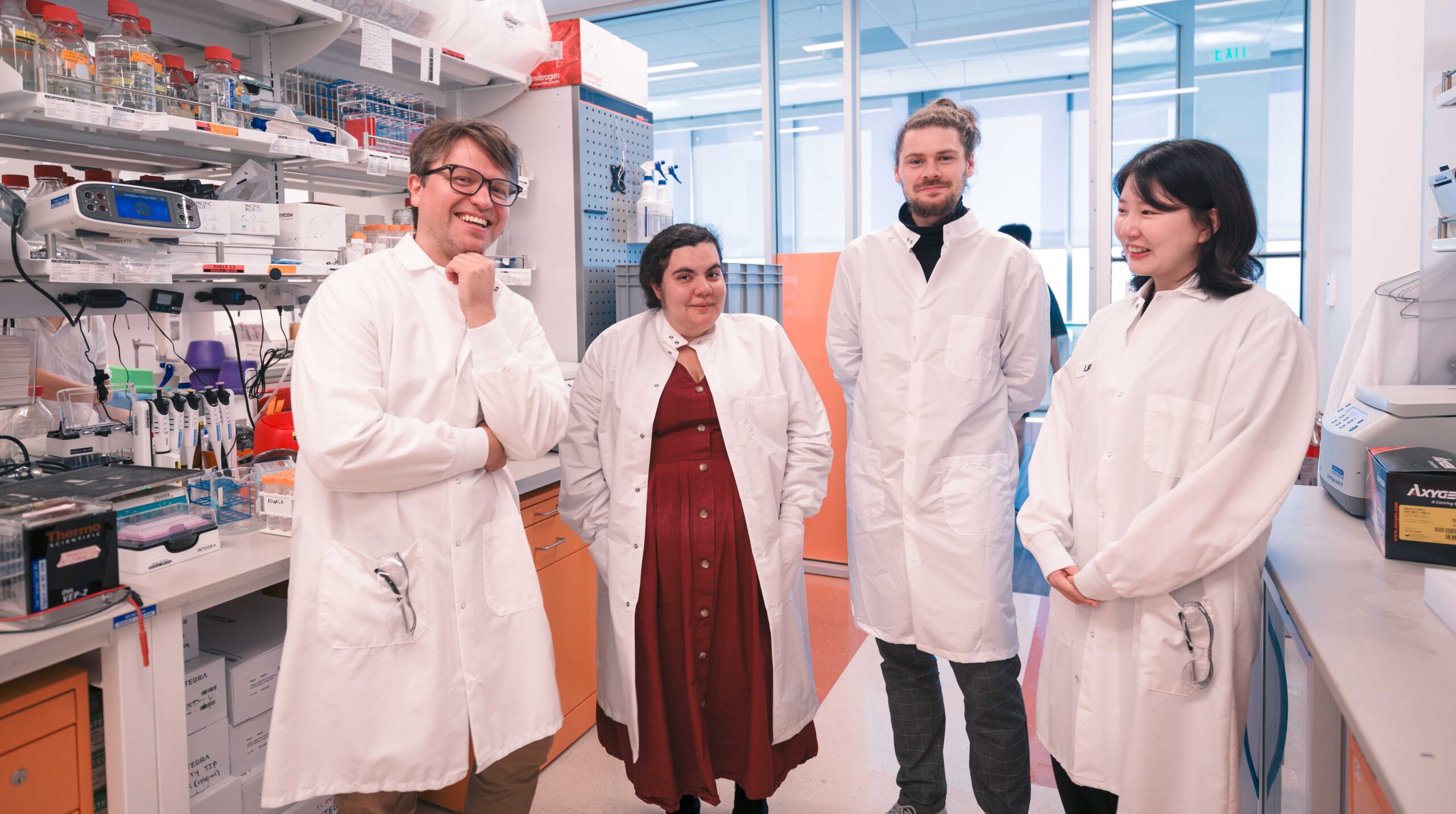
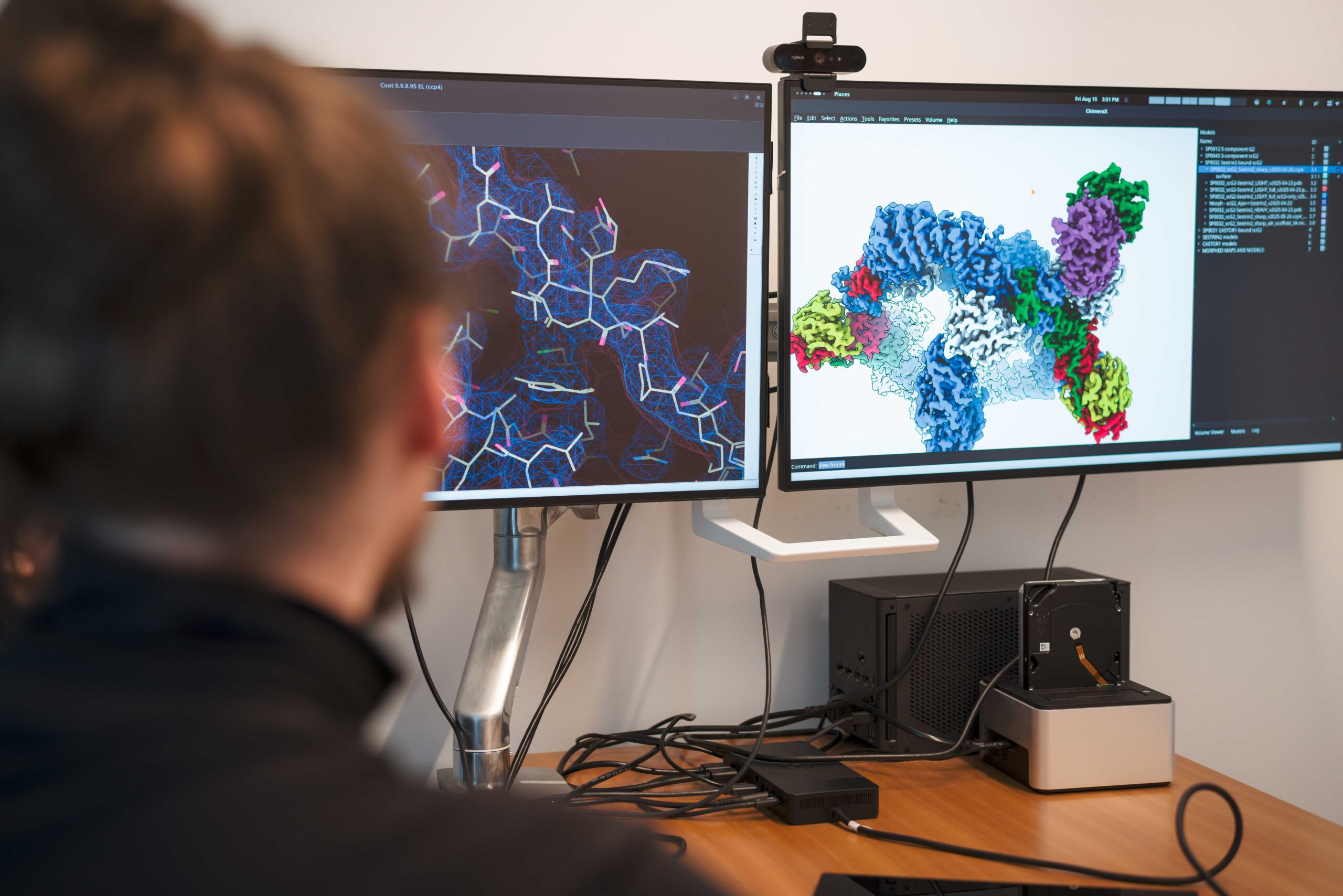
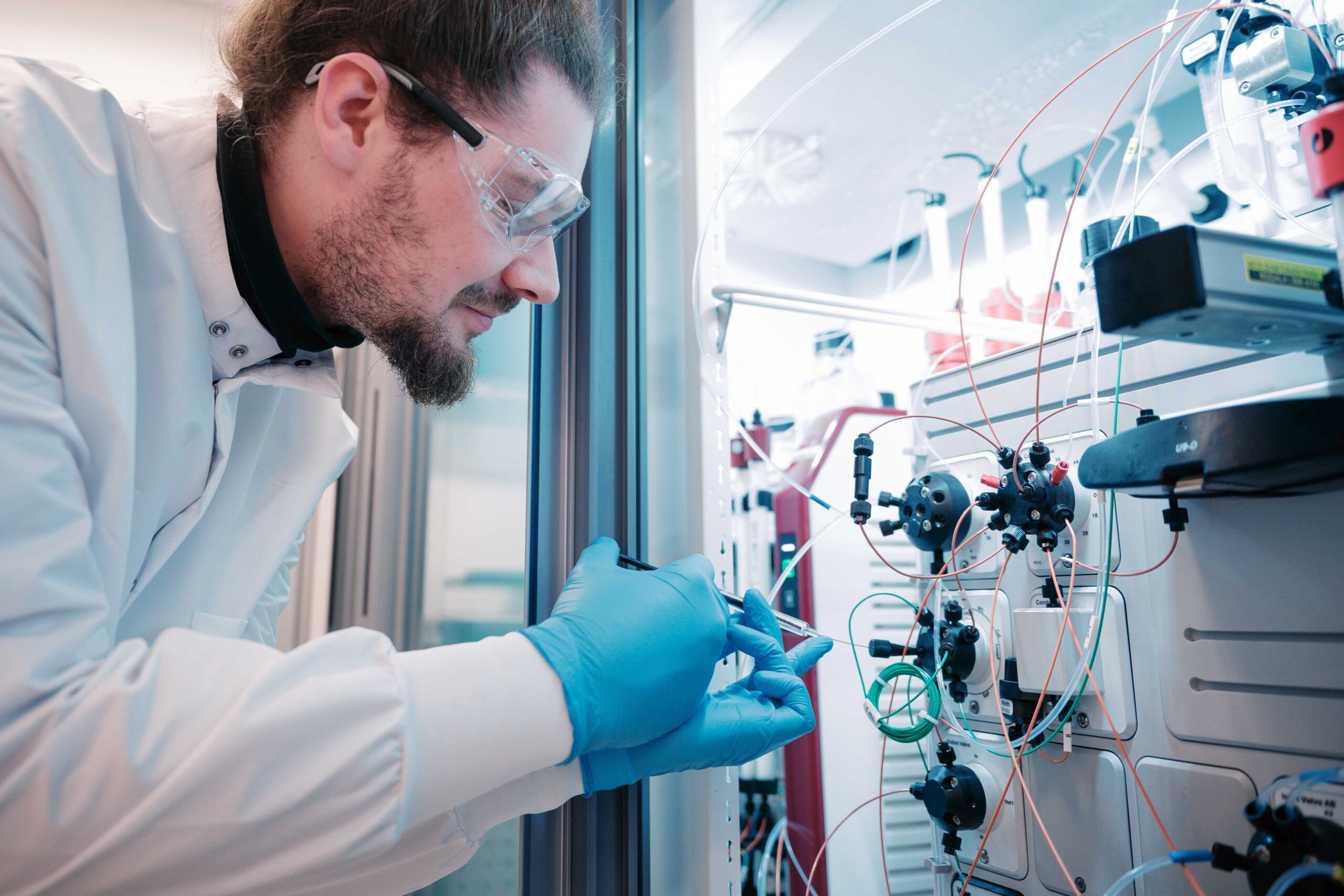
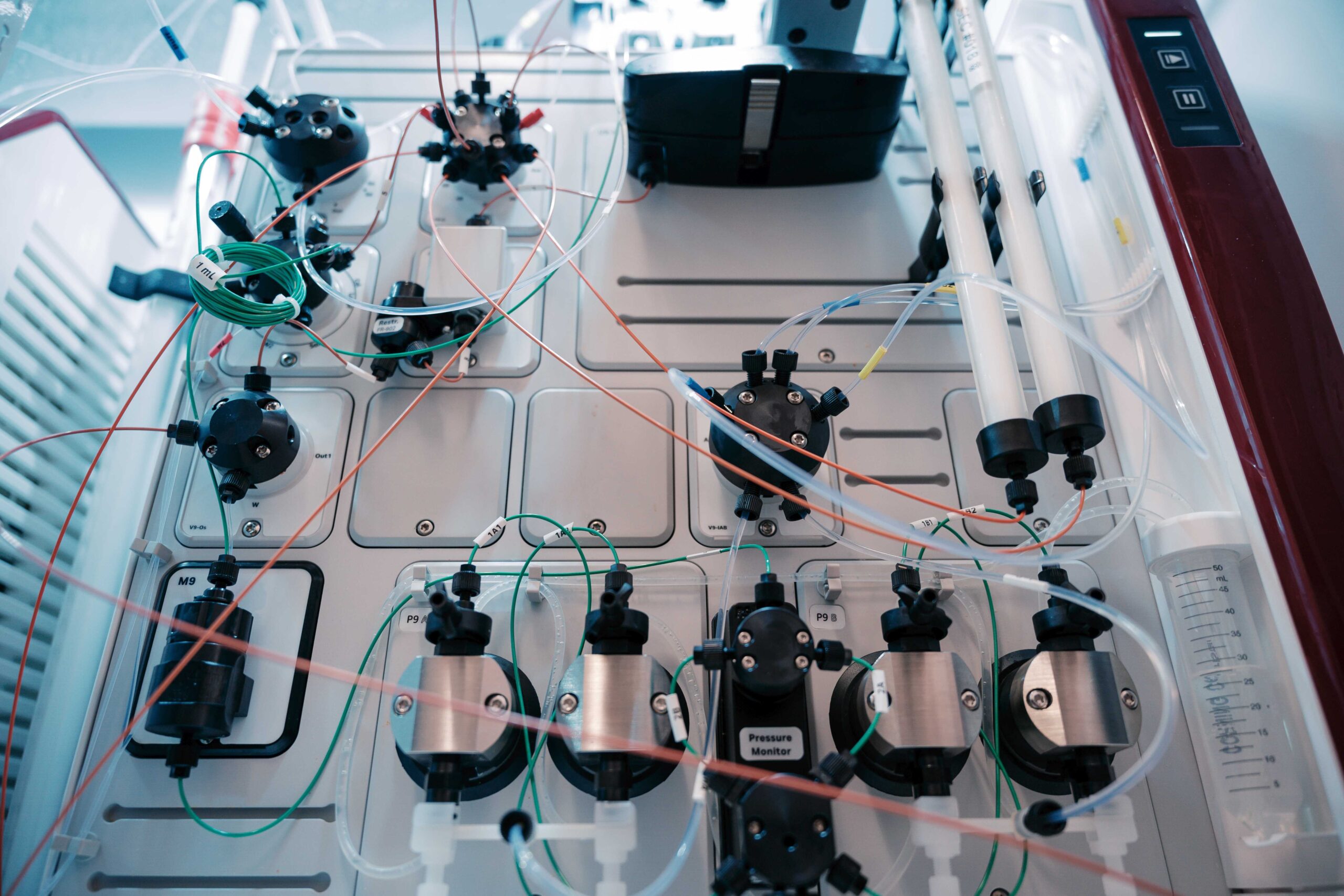
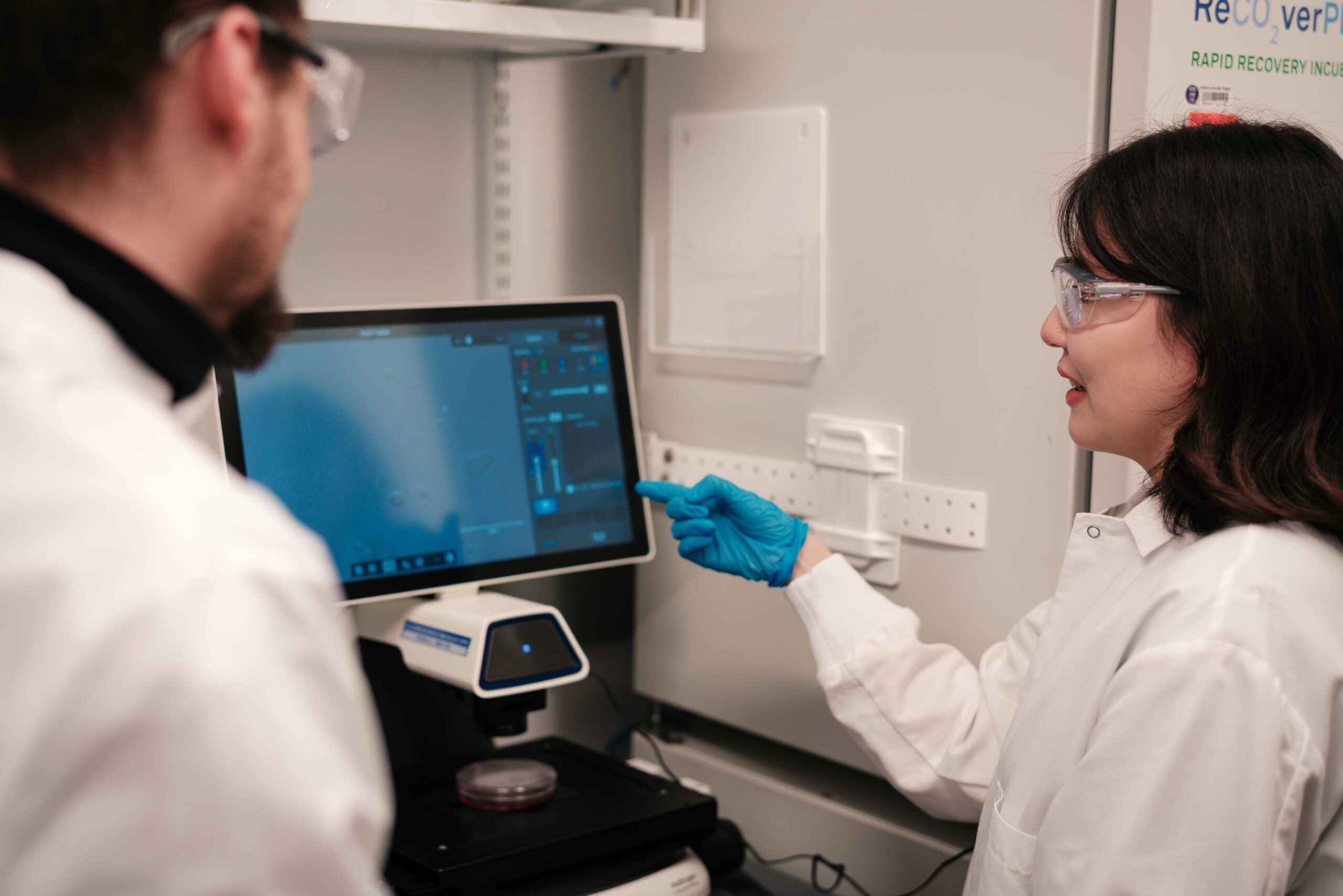
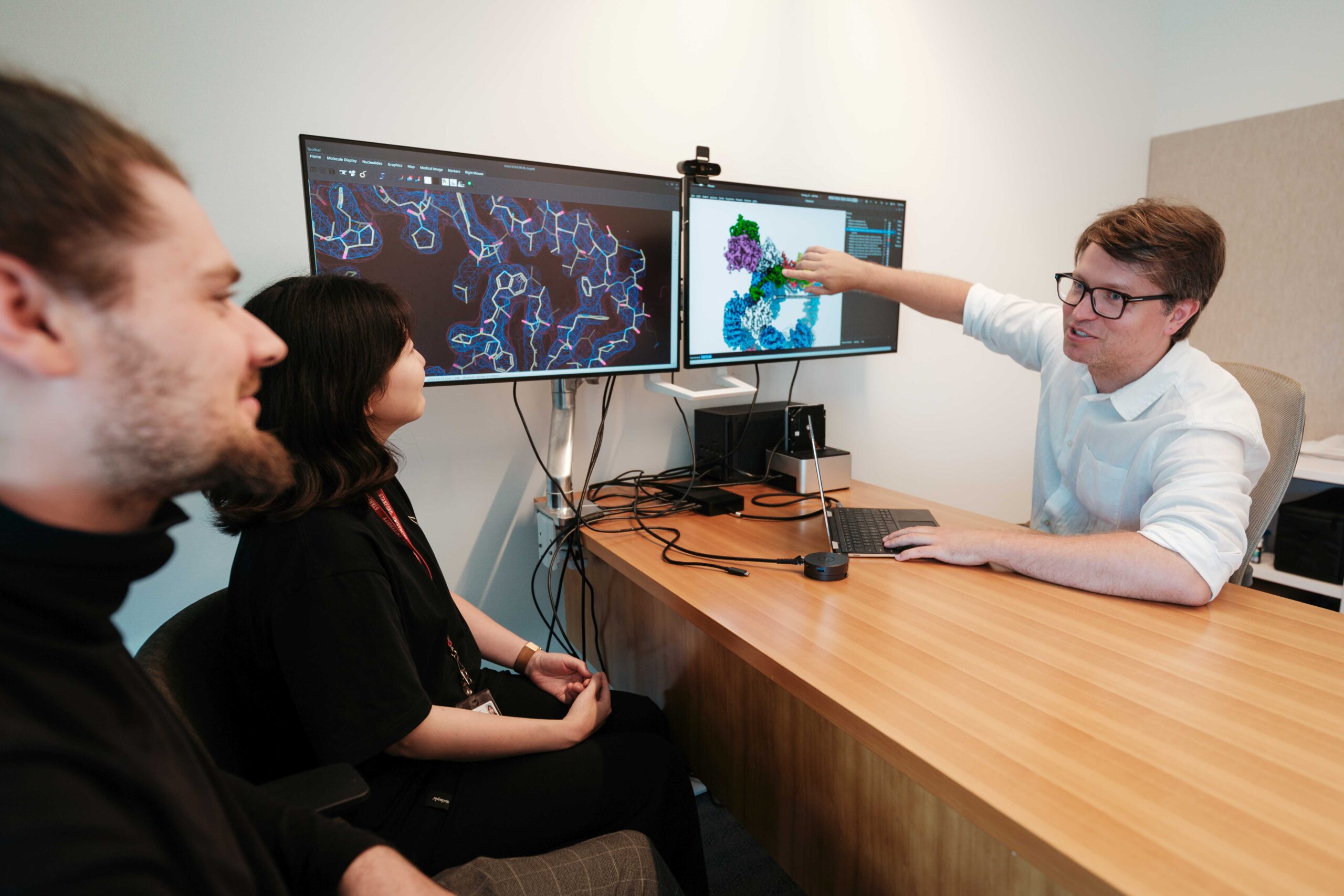
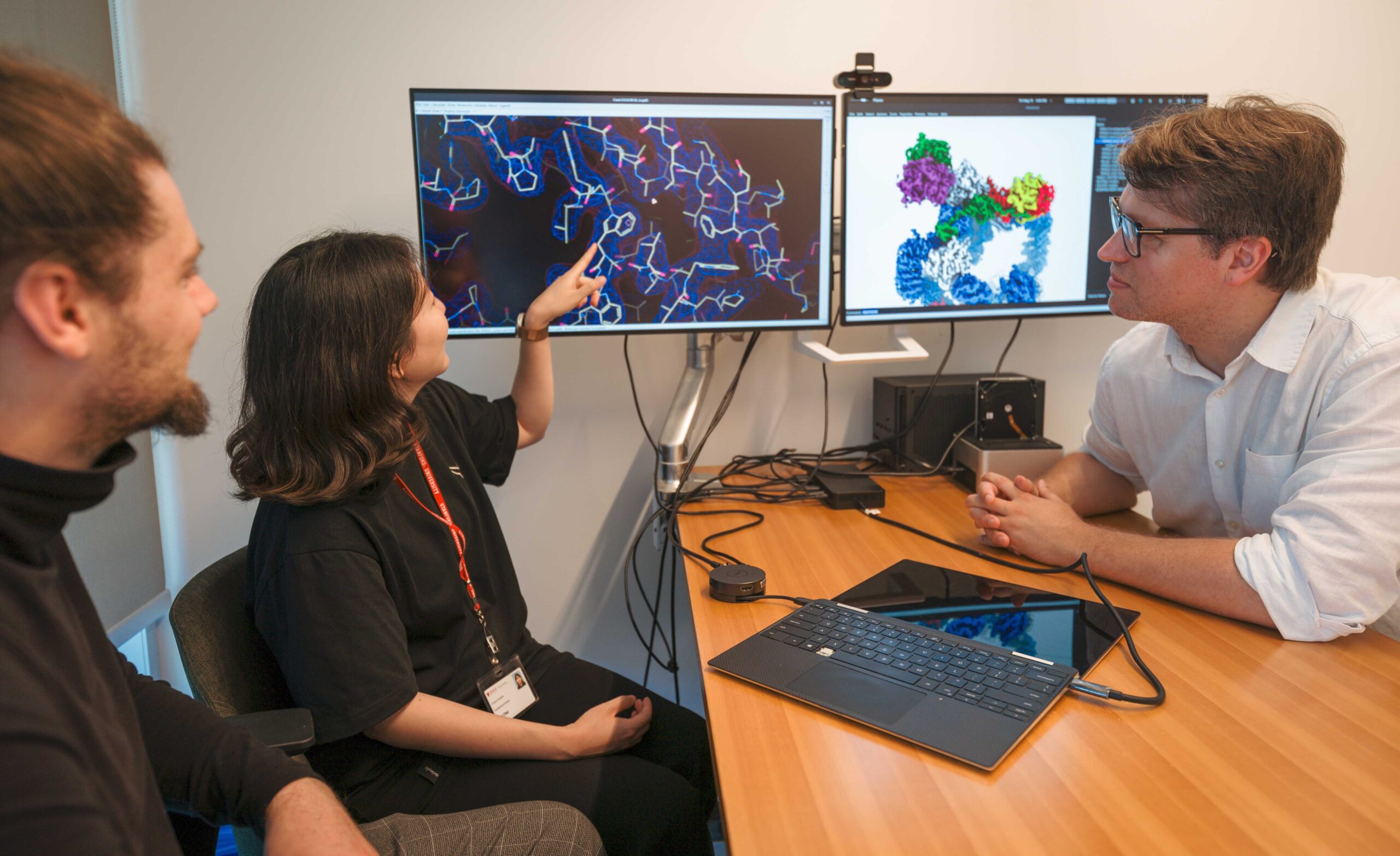
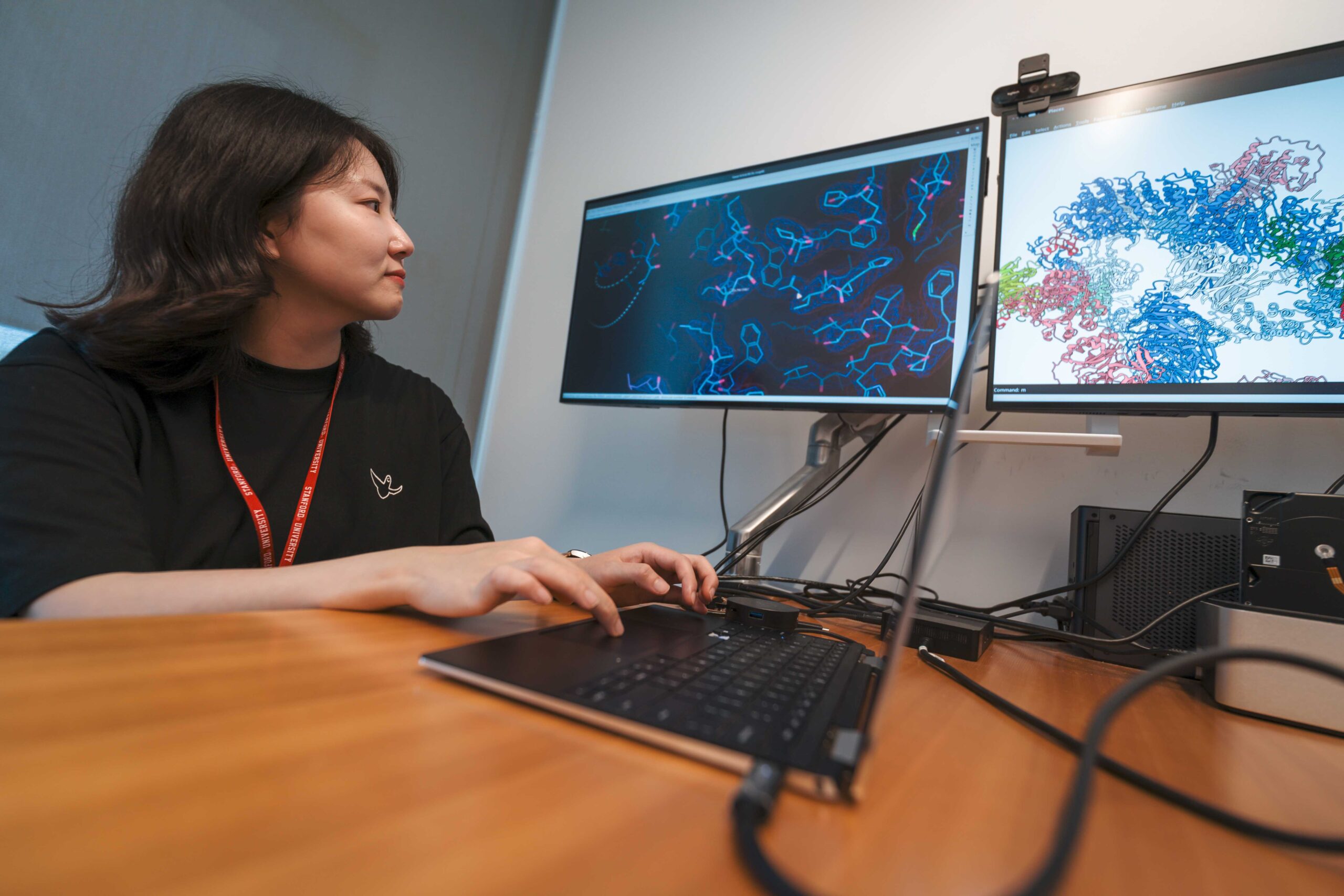
We are proud to announce that our recent mTOR manuscript was published today in Nature. By combining structural biology, cell biology, and computational simulations, we deciphered the underlying molecular mechanisms by which cells sense nutrients and initiate growth.
To set the stage: In the presence of nutrients, the human master regulator of cellular growth—the mTORC1 protein complex—activates a range of downstream pathways that govern cell growth and metabolism. The key information about nutrient availability is detected by the nutrient-sensing hub GATOR2, which in turn regulates mTORC1 activity. Until now, the molecular mechanism behind this nutrient-sensing ability remained unknown.
In collaboration with researchers from MIT and Harvard, we revealed how different nutrient sensors—Sestrin2 (for leucine) and CASTOR1 (for arginine)—bind to the surface of the GATOR2 complex in the absence of nutrients. We show how nutrient binding triggers a cascade that causes these sensor proteins to release from the complex surface, leading to chemical and structural rearrangements that activate mTORC1 and promote cellular growth.
These insights deepen our understanding of a central regulatory mechanism in human physiology and pave the way for novel therapeutic strategies to modulate nutrient sensing — with potential implications for treating cancer and metabolic diseases.
Read the press release from the Stanford Cancer Institute [LINK]
Check out the Nature’s Research Briefing written by Karen Linde-Garelli [LINK]
Written by: Maximilian Wranik, PhD, Postdoctoral Fellow, August 2025 Photos by: Steven Truong, MD-PhD student, August 2025
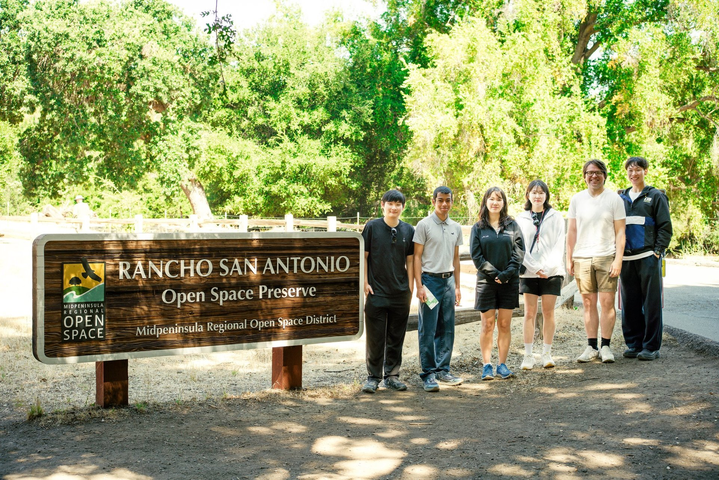
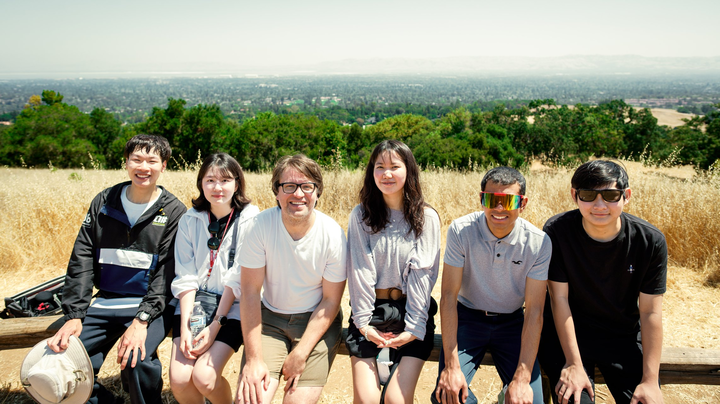
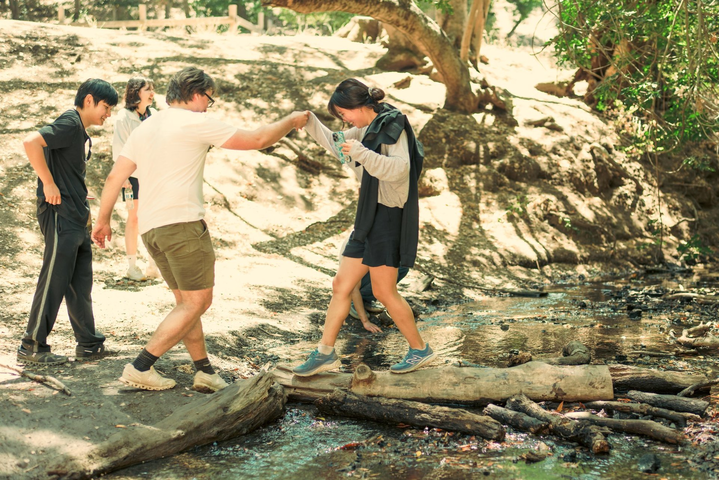
Rogala Lab hikes out to Rancho San Antonio Open Space Preserve
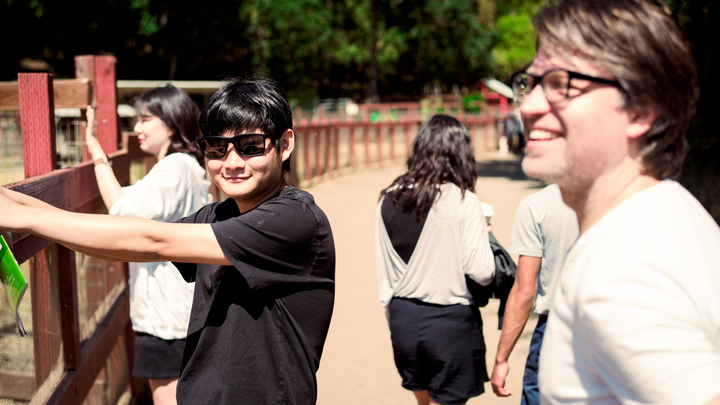
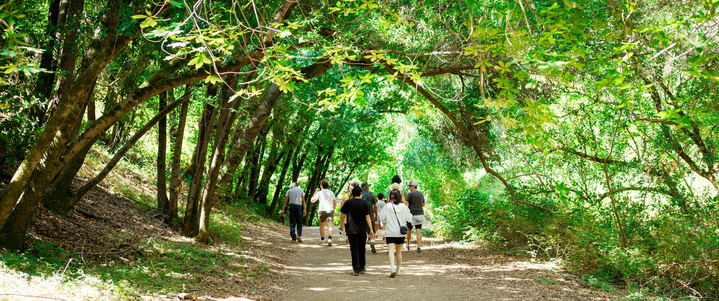
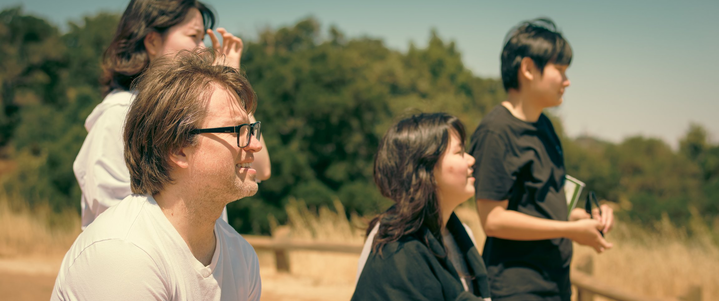
Taking a break from the grind of lab work, the Rogala Lab sent to hike the nearby hills, forests, and grassland of the Rancho San Antonio Open Space Preserve. Located a mere 12 miles south, Rancho San Antonio offers a plethora of vivid sights for all manner of hikers. From encounters with wild turkeys in the open shrubland to the lush forested interior, this most popular mid-peninsula county park offered a chance to get down and dirty in the often overlooked natural wonders of the south bay. Shoutout to the wonderful park rangers of the Midpeninsula Regional Open Space Preserve system who ensure that peninsula locals can have a bit of nature to immerse themselves in! Rancho San Antonio Preserve | Midpeninsula Regional Open Space District
Rancho San Antonio County Park & Open Space Preserve offers visitors a unique experience with a sampling of diverse environments, interesting cultural history and a variety of activities. The area features over 25 miles of trail throughout the 2,180-acre open space preserve and adjoining 293-acre county park.
Written by: Joshua Ishimoto, Postbaccalaureate student, July 2025 Photos by: Steven Truong, MD-PhD student, July 2025
Francie Igboabuchi attends ABRCMS 2024
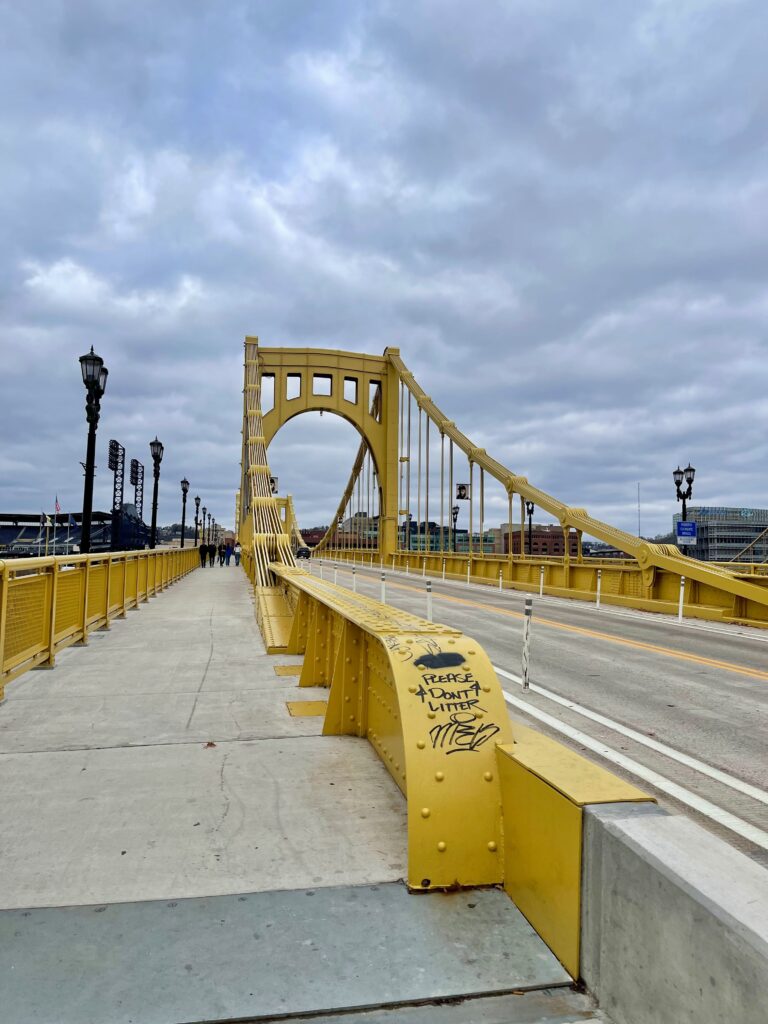
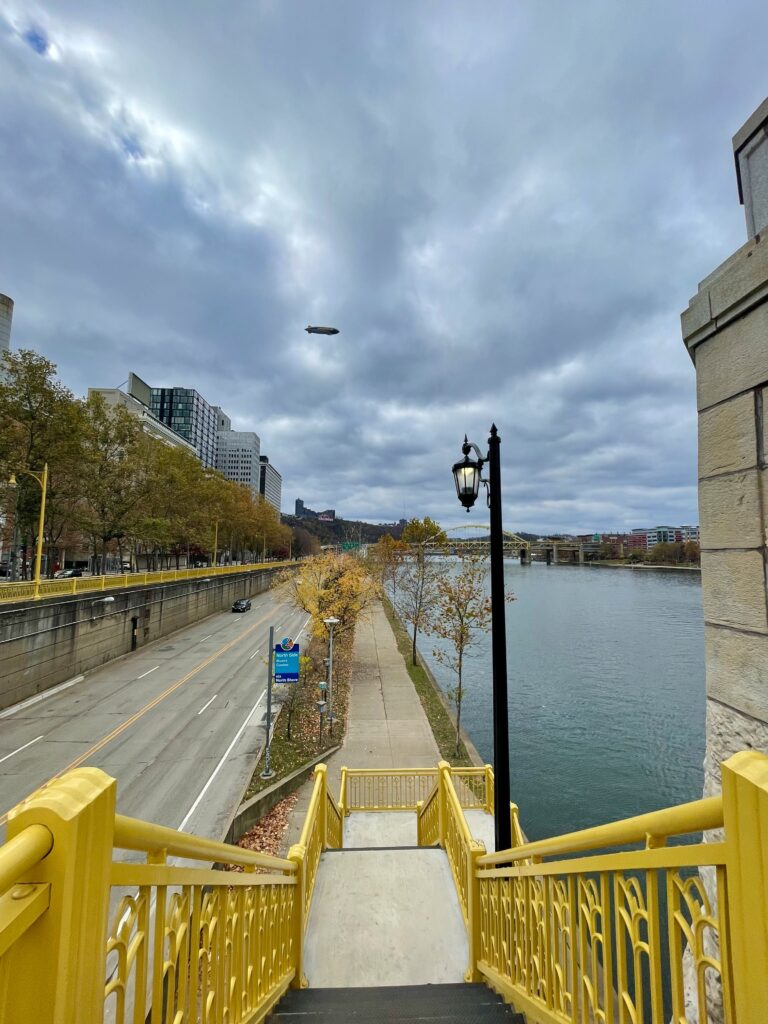
Our post-baccalaureate student, Francie Igboabuchi, was selected to present a poster at the 2024ABRCMS conference in Pittsburgh, Pennsylvania on November 13-16. Below, Francie shares her conference experience.
The 2024 Annual Biomedical Research Conference for Minority Students (ABRCMS) held in Downtown Pittsburgh, Pennsylvania, was truly extraordinary and filled with inspiration. With over 6,000 attendees—students, judges, and representatives from various institutions—the conference provided a dynamic platform for sharing knowledge and fostering collaboration in the biomedical sciences. The keynote speeches, workshops, and networking opportunities were enriching. The notable keynote speakers, including Dr. Avery August, Dr. Stefano Bertuzzi, and Ed Gainey, Mayor of Pittsburgh, kicked off the event and shared their personal and professional journeys, emphasizing the importance of perseverance and innovation in the face of adversity.
ABRCMS is an NIH-funded conference dedicated to promoting diversity in biomedical and health-related sciences. It empowers undergraduate, post-baccalaureate, and graduate students from underrepresented backgrounds by showcasing their research, connecting with peers and mentors, and exploring career development opportunities through presentations, workshops, and mentorship. Each year, the conference also features a diverse array of exhibitors and recruiters from graduate and medical schools, offering opportunities to explore potential career paths and network with professionals eager to support the next generation of scientists.
A highlight of the conference was presenting my poster on the assembly of various protein complexes on the surface of lysosomes. It was an honor to share our research conducted at the Rogala Lab at Stanford and demonstrate how our findings contribute to understanding cellular processes and their implications for cancer biology. Engaging with judges and fellow attendees during my presentation sparked discussions that ignited my curiosity and shed more light on the significance of our work. Equally fulfilling was the chance to support my peers in my REACH Post-baccalaureate Program cohort. Witnessing their passion and dedication as they presented their scientific projects inspired me and reinforced the importance of collaboration and mentorship within our community. Celebrating each other’s successes and sharing insights on our respective research endeavors created an atmosphere of encouragement that was truly uplifting.
In conclusion, my experience at ABRCMS 2024 not only sparked inspiration but also reinforced my commitment to my research and the broader scientific community. I am excited to carry the momentum from this event as I move forward in my academic pursuits, empowered by the knowledge that I am part of a vibrant and supportive network of future scientists. I would like to extend my heartfelt gratitude to Stanford School of Medicine’s REACH Initiative, the Department of Chemical and Systems Biology, and my principal investigator, Dr. Kacper Rogala, for their invaluable support. Through their guidance and generous funding, it was possible for me to present our research at the Rogala Lab at the ABRCMS conference. Thank you for being an integral part of my journey and for believing in me.
Written by: Francie Igboabuchi, Postbaccalaureate student, December 2024
Karen Linde-Garelli’s mTOR structure review is out! [COSTBI]
We are celebrating the first review paper from our one and only — Karen Linde-Garelli — in Current Opinion in Structural Biology.
Karen is a Stanford Cancer Biology PhD student in the Rogala Lab, where she is studying nutrient sensing and trafficking on the lysosomal surface.
Karen and Kacper wrote a review that talks about structural biology discoveries in the mTOR field — spanning the last 10 years. They mined the entire Protein Data Bank to ensure that every single paper that has deposited structural coordinates of a protein from the mTOR pathway is cited.
The review is split into major sections, where Karen and Kacper discuss: – Structure of the mTOR kinase and its associated complexes 1 and 2 – Substrate recognition and regulation mechanisms by mTORC1 and mTORC2 – The mode of operation of mTORC1 on the lysosomal surface – How various modalities contribute to sensing of the environment by the mTOR pathway.
Our lab received a kind invitation to write this review from Prof. Simon Newstead (Oxford) and Prof. Robert Tampé (Goethe University Frankfurt), who were guest editors of an issue that focused on structural biology of proteins that work in the context of biological membranes. Please see the whole Membranes (2023) issue here, and the editorial by Simon and Roberthere.
NexGeneGirls — high-school summer project
This summer, the Rogala Lab hosted two high school students in partnership with NexGeneGirls. The NexGeneGirls program integrates immersive hands-on research, leadership development, and career exploration to empower high school girls and provide them with early exposure to research in STEM. Scholars of the program engage in research within leading Bay Area industry or academic laboratories, collaborating closely with mentors to develop and execute a scientific project.
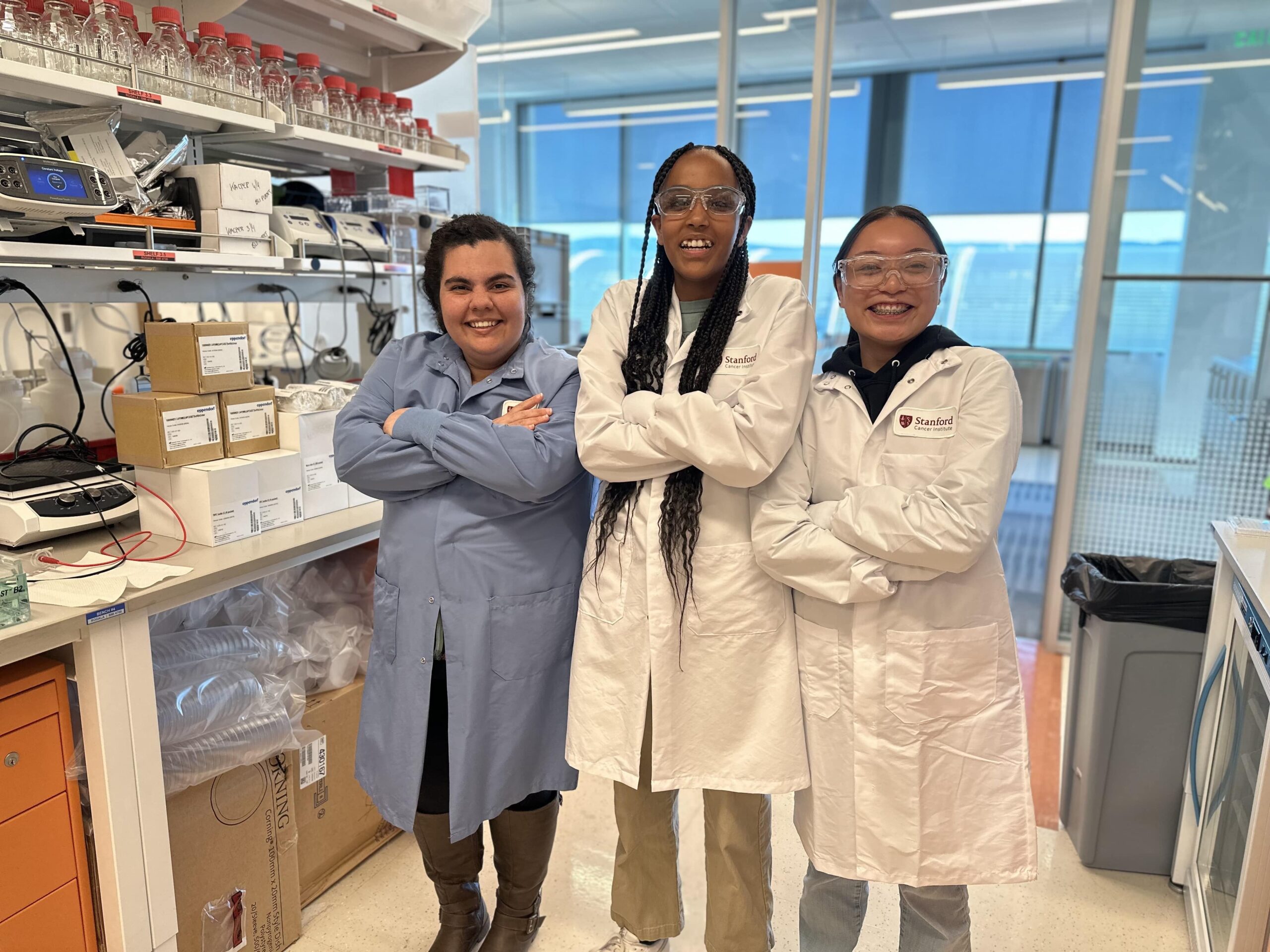
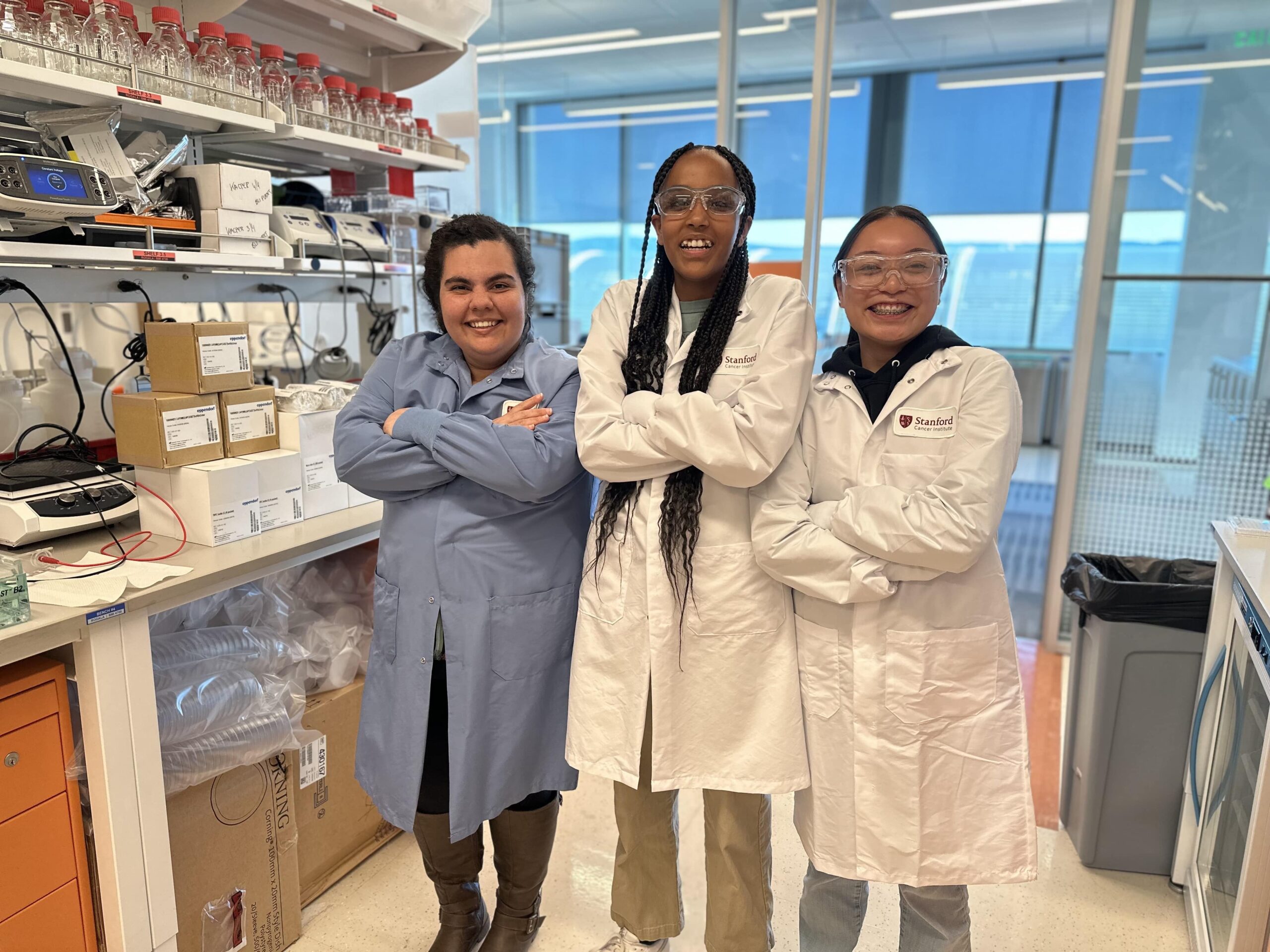
Pictured from left to right: Karen Linde-Garelli (PhD student mentor) Leila Haile (NexGeneGirls scholar) Danielle Carino (NexGeneGirls scholar)]
Leila Haile and Danielle Carino joined the Rogala Lab under the mentorship of Karen Linde-Garelli and Dr. Kacper Rogala. They trained in experimental methods of the lab to learn about and ultimately execute the processes involved in going from “gene to protein” and pilot the production of cost-effective functional enzymatic tools for the lab. The NexGeneGirls scholars focused on cloning, expression, and purification of a bacterial nuclease enzyme to use during the cell lysing process for routine protein production. The outcome of their work was presented at the NexGeneGirls gala in San Francisco, and it was the first in a pipeline for making homemade enzymes for the lab – to use as an alternative for purchasing costly consumables.
Kacper gives a talk at the SCI Retreat
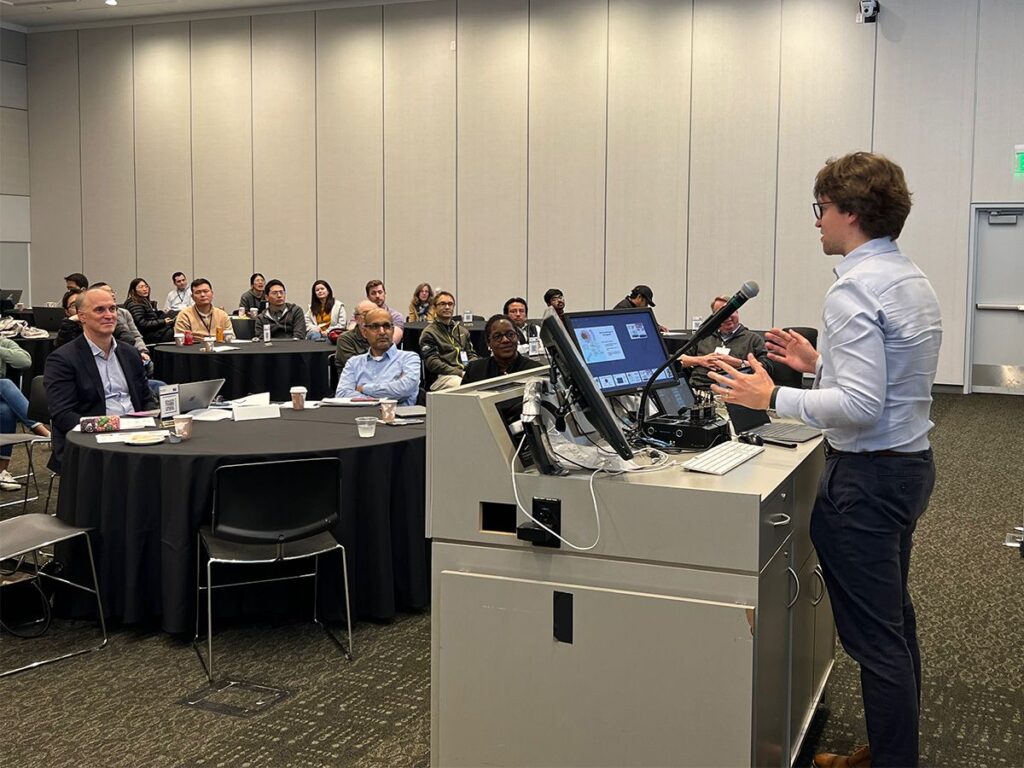
Today, Kacper was representing our lab at the 2023 Stanford Cancer Institute retreat. He talked about the ongoing projects in the lab, and how our team is looking forward to collaborations with in vivo biologists and clinicians — to translate our therapeutic ideas into potential future cures for patients.
Himac centrifuges are in!
The key piece of our lab is in!
These high-speed and ultracentrifuges from Himac / Eppendorf are still considered rather niche in the US, but it’s a choice we’d make again because of the super high quality of build and features. Major thanks to Maria Ahmadi from the Eppendorf team for making this happen, and to Robert Jones for the installation! We actually needed a mini pallet jack to move things around in this small room — big thanks to Monica Mendoza for coordinating it.
Cannot wait to start spinning all sorts of biological materials in these rotors, from proteins, liposomes, to cells!
GATOR2 mysterious no more [Nature]
Our lab has just made a huge dent in one of the most elusive problems of the nutrient sensing field — and that is the mechanism of how GATOR2 works on the molecular level. This was a collaborative project with Max Valenstein.
GATOR2 is a protein complex composed of five individual subunits which have been shown to work together to (1) receive signals from individual nutrient sensors that detect cellular levels of amino-acids leucine, arginine, and (2) to relay that information to mTORC1 machinery, to make informed metabolic decisions for the cell.
Full disclosure — we have not figured out how GATOR2 works just yet. But we made the first step towards that goal. Below is a short summary of what we found, and what’s now been published in Nature [paywall-free link].
Many congratulations to the whole team!
We have determined a 3.7 Å cryo-EM structure of GATOR2, and built its atomic model.
GATOR2 looks like a drone, with the central octagonal scaffold surrounded by multiple WD40 β-propellers. In fact, a single GATOR2 particle has sixteen β-propellers!
The octagonal scaffold is assembled thanks to a set of two distinct protein-protein interactions:
α-solenoid — α-soleonoid junctions.
CTD—CTD junctions, which involve zinc-coordinating RING and zinc-finger domains.
The CTD junctions constitute a structurally novel protein dimer, which has not been observed before. In fact, the presence of RING domains in GATOR2 initially fooled us into thinking that this complex must have an enzymatic function — similarly to RING domains involved in ubiquitin transfer. However, as we found out in this study, GATOR2 does not seem to transfer ubiquitin at any conditions tested, and neither is ubiquitylation required for passing the signal from GATOR2 to mTORC1. Instead, we discovered that the role of RING domains in GATOR2 is to assemble the GATOR2 octagon, which acts as a scaffold for signal transduction activities.
The octagonal scaffold is supported by a number of extra β-propellers which rigidify the α-solenoid and CTD junctions.
And most excitingly, there are three distinct sets of β-propellers that emanate from the scaffold and point outwards — which we found are critical for:
Receiving signal from the leucine sensor Sestrin2
Receiving signal from the arginine sensor CASTOR1
Relaying these signals to mTORC1 (via GATOR1)
Our work continues.
Stay tuned for new discoveries coming from our lab. And please consider joining us (as a Post-doc or a PhD student) — to help us figure out how GATOR2 works!
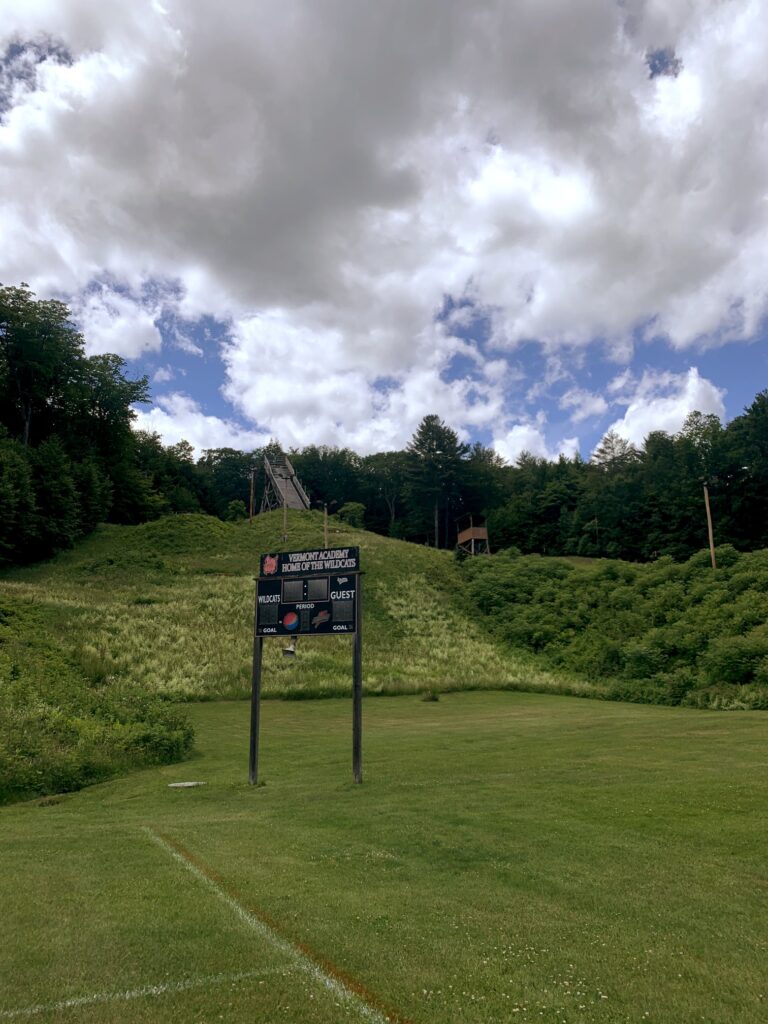
Kacper was invited to present our team’s efforts on deciphering how Rag GTPases work — at the FASEB conference Regulation and Function of Small GTPases in Vermont Academy [Saxtons River, Vermont]. It was the first time that Rags were featured at this famous conference, which is celebrating 30 years in the running.
Kacper was also involved in a career workshop with current trainees — by sharing the experience of applying to faculty positions and setting up a lab.
Thank you, Anne Ridley and Mark Philips for organizing a fantastic meeting. It was a humbling experience to meet so many giants in the field and to learn about the terrific research coming out from many labs around the globe. Lots of new ideas and potential collaborations!
Cannot wait for the next meeting in 2024!
What? They have a ski-jumping hill at the conference venue?UnrealMore selfiesGreat crowd!View of the Vermont Academy campus. Love this place!
INFORS shakers are here!
Kacper is unable to contain himself — our workhorse shakers have just arrived. Thank you to Eddie Nazzal and the INFORS team for making this happen in a timely manner.
These shakers are absolute beasts — we use them to grow tens of liters of bacteria, yeast, and insect cells. It’s time to put the shaker platforms and the racks together! We are going to need loads of flasks.